 Sign in

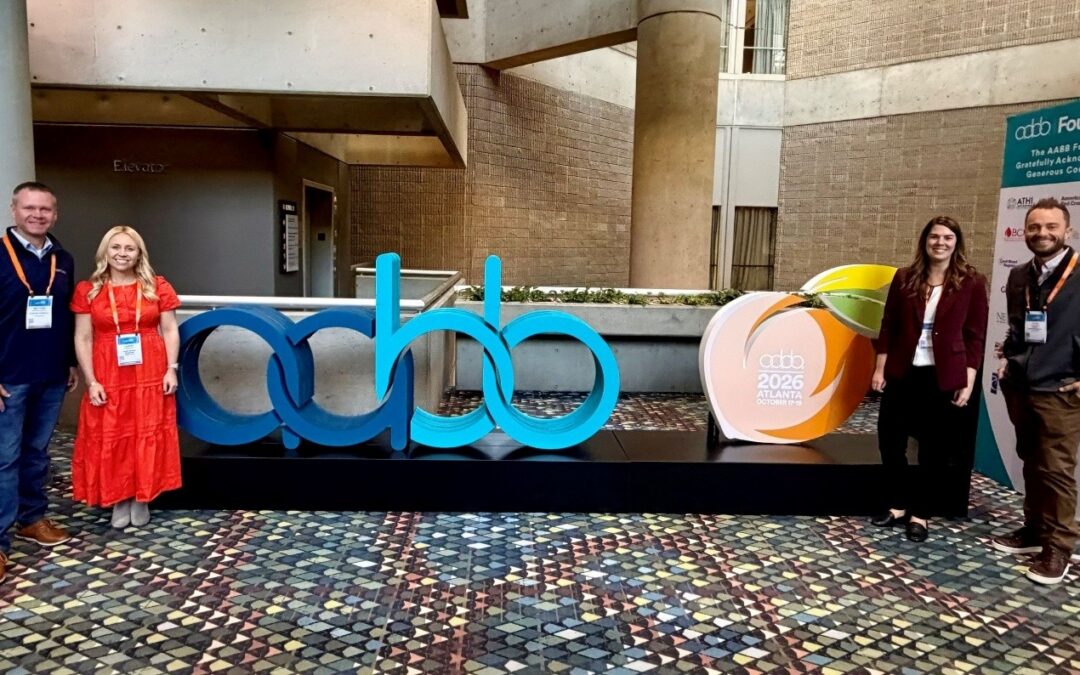
Every year, Cord Blood Connect brings together leading physicians, scientists, and healthcare professionals to discuss the latest advances in cord blood and newborn stem cell research. This year’s meeting, held as a part of the Association for the Advancement of Blood and Biotherapies (AABB) annual meeting in Atlanta, GA, highlighted exciting progress in stem cell transplantation, regenerative medicine, and emerging cell therapies.
For expectant parents, the research presented reinforced the growing scientific interest in cord blood as a valuable biological resource with applications in both established treatments and areas of future research.
Advancing research for brain injuries and neurological conditions
One area of focus was the potential use of cord blood cells in neurological conditions and brain injuries. Researchers discussed how the unique properties of cord blood may help reduce inflammation in the brain, a process that contributes to injury and disease progression.1
Updates were shared from the CORD-SaFe study, which evaluated the safety and feasibility of collecting and reinfusing cord blood in extremely premature infants. The study found the procedure was feasible in approximately 70% of patients and was generally well tolerated.2 Building on these findings, researchers have launched the CORD-CELL trial, an international study designed to further evaluate whether cord blood infusions may improve developmental outcomes in high-risk premature infants.3
While these therapies remain under investigation, the research highlights the ongoing efforts to better understand how newborn stem cells may one day support children facing serious neurological challenges.
Cord blood as an optimal source in transplant medicine
Cord blood has been used in stem cell transplantation for more than 35 years4 and researchers continually look for ways to optimize its use for patients with certain cancers, as well as blood, immune, and metabolic disorders.
A pediatric transplant physician presented outcomes from more than 700 patients with immune system disorders. The data showed strong survival outcomes and low rates of chronic graft-versus-host disease, a complication that can occur following transplantation.5 Improved outcomes were also seen when patients received higher cell doses and closely genetically matched donor units.5
Another physician researcher presented several reasons why their transplant center prioritizes the use of cord blood over adult stem cell sources in certain transplants. Cord blood stem cells may be an option for more people from diverse ethnic backgrounds because there is more flexibility in genetic matching between donors and patients.6 Research has also shown that for some patients with certain blood cancers where a small number of cancer cells remain following treatment, cord blood transplants may be linked to better survival outcomes than transplants using adult stem cells.6 Additionally, scientists continue to explore new ways to expand cord blood stem cells from smaller cord blood units, helping make this important resource available to even more patients.6
Exploring the use of cord blood in cell therapies
Researchers also discussed the growing interest in cord blood as a starting material for cellular therapies.
Cord blood contains several important cell types that are being studied for therapeutic applications. Because of the unique biology of these cells, they may offer advantages for future regenerative medicine approaches.7
One early-stage clinical study presented at the meeting is investigating cord blood-derived cells as a potential treatment for amyotrophic lateral sclerosis (ALS). Preliminary findings suggest the therapy appears safe and may help stabilize certain symptoms, supporting continued research in this area.8
Although these therapies are still being studied, they demonstrate the broad potential researchers see in newborn stem cells beyond traditional transplantation.
Looking toward the future
As the cord blood field continues to evolve, researchers remain focused on expanding access, improving outcomes, and exploring new therapeutic applications. The research presented at this year’s meeting underscores the growing body of evidence supporting cord blood’s value in both established medical treatments and emerging areas of investigation.
For expectant parents, these ongoing advances highlight the importance of learning about newborn stem cell preservation options before delivery. Because cord blood can only be collected at birth, families have a unique opportunity to preserve a biological resource that may hold value for future medical treatments and scientific advancements.
Expecting a child, or have friends or family who are? How about a grandchild? Enroll with Insception Lifebank today or refer a friend. When someone you refer preserves with Insception Lifebank, you’ll receive a cheque or storage credit to fund your storage fee.*
2. Zhou L, McDonald CA, Yawno T, Razak A, Connelly K, Novak I, Miller SL, Jenkin G, Malhotra A. Feasibility and safety of autologous cord blood derived cell administration in extremely preterm infants: a single-centre, open-label, single-arm, phase I trial (CORD-SaFe study). EBioMedicine. 2025 Jan;111:105492. doi: 10.1016/j.ebiom.2024.105492. Epub 2024 Dec 13. PMID: 39674685; PMCID: PMC11731592.
3. Malhotra A. Autologous cord blood-derived cell therapy for extremely preterm infants: An international, multicentre randomised controlled trial. Accessed August 5, 2025. https://www.anzctr.org.au/Trial/Registration/TrialReview.aspx?id=388172&isReview=true
4. Gluckman E, Rocha V. History of the clinical use of umbilical cord blood hematopoietic cells. Cytotherapy. 2005;7(3):219-27. doi: 10.1080/14653240510027136. PMID: 16081348.
5. Martinez, Caridad. Umbilical Cord Transplantation for Non Malignant Disorders. Association for the Advancement of Blood and Biotherapies Annual Meeting. Presented October 19 2026.
6. Milano, Filippo. Evidence Over Trends: Re-Evaluating Cord Blood’s Role in Allogeneic Transplantation. Association for the Advancement of Blood and Biotherapies Annual Meeting. Presented October 19 2026.
7. Wang J, Metheny L. Umbilical cord blood derived cellular therapy: advances in clinical development. Front Oncol. 2023 May 18;13:1167266. doi: 10.3389/fonc.2023.1167266. PMID: 37274288; PMCID: PMC10232824.
8. Cellenkos Inc. Cellenkos receives FDA fast track designation for CK0803 in amyotrophic lateral sclerosis (ALS). PR Newswire by Cision. August 25, 2026. Accessed October 22, 2026. https://www.prnewswire.com/news-releases/cellenkos-receives-fda-fast-track-designation-for-ck0803-in-amyotrophic-lateral-sclerosis-als-302859365.html.