
by Insception Lifebank | Blog
Diabetes is a global health concern that affects millions of people.1 One of the most serious forms of this disease is type 1 diabetes. In this type of diabetes, the body can’t produce enough insulin, a hormone that controls blood sugar levels. Once diagnosed,...
by Insception Lifebank | Blog
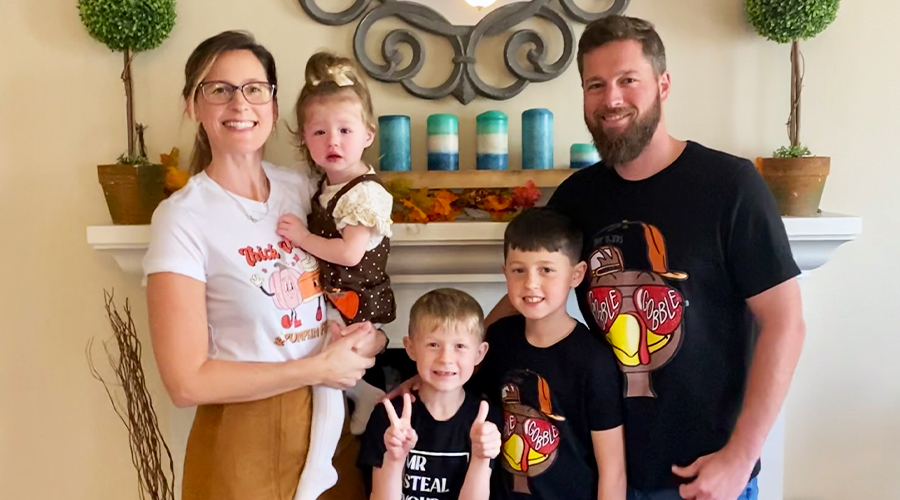
There’s nothing quite like knowing someone all their life to create a bond strong enough to see you through the toughest of times. Just ask CBR (Insception Lifebank’s sister company) parents Whitney and Ely.* Good friends since elementary school, they began dating...
by Insception Lifebank | Blog
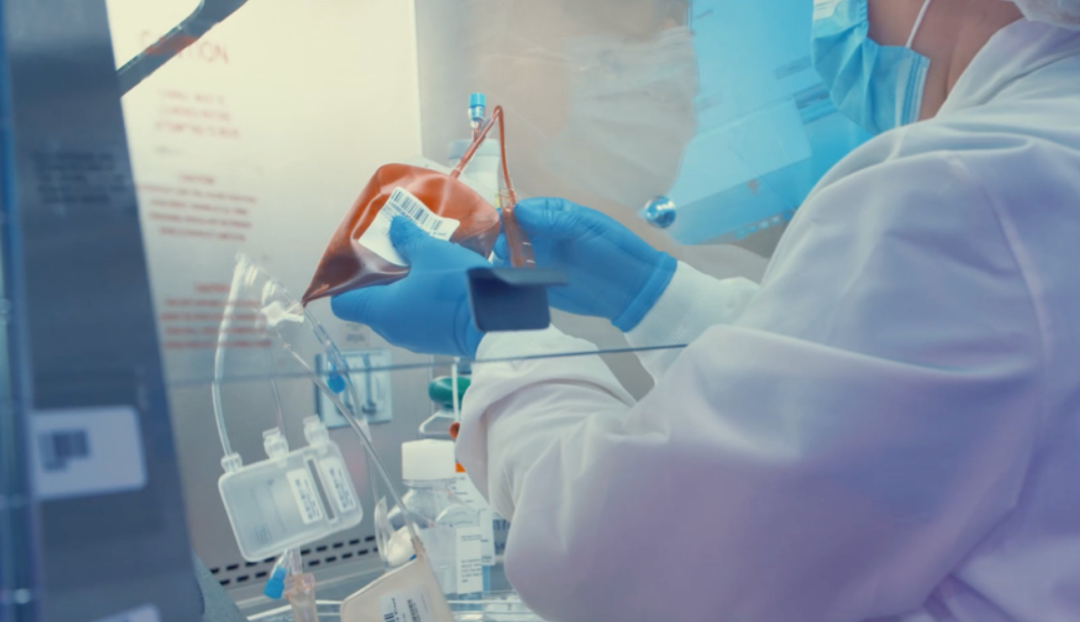
What if treating extremely preterm babies with their own (i.e., autologous) cord blood stem cells could reduce their increased risk of brain damage and related conditions? Using a patient’s own cord blood stem cells to treat neurological conditions, like cerebral...
by Insception Lifebank | Blog
Eliza Stroh, MS, CGC, Cord Blood Clinical Specialist This July, Insception Lifebank highlights the triumphs of newborn stem cell science as we continue to spread the word about the valuable resource of cord blood and cord tissue preservation. Here, we review the...

by Insception Lifebank | Blog
Join us this July as we celebrate Cord Blood Awareness Month, a time to shine a light on the remarkable healing potential of newborn stem cells. At Insception Lifebank, we are dedicating this entire month to educating parents about the importance of...

by Insception Lifebank | Blog, blood cancer, cord blood application, FDA, Health and Wellness, Research
The FDA made history in April with its first-ever approval of an expanded cord blood product for use as a primary treatment in hematopoietic stem cell transplants (HSCT) for certain blood cancers in adults and children 12 years of age and older.1 Why is cord blood...
 Sign in