 Sign in
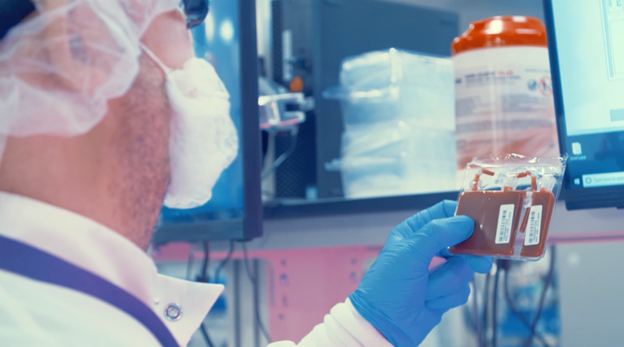
Every year brings exciting updates, offering hope to families facing difficult health challenges. Insception Lifebank, a CooperSurgical company, is privileged to be part of this journey, helping families use the powerful cells from their newborn’s cord blood. In 2025, we saw incredible milestones, including the release of a cord blood unit to help treat a rare genetic condition. This year underscores the importance of cord blood in transplant medicine as well as its potential in regenerative medicine.
Let’s explore some notable cord blood sample releases from 2025.
The CooperSurgical laboratory releases a cord blood unit for treatment of APLAID syndrome
One significant moment this year was releasing a cord blood unit for a stem cell transplant to treat a condition called APLAID. APLAID stands for PLCG2-associated antibody deficiency and immune dysregulation. It is a very rare genetic condition that affects the body’s immune system in various ways, including the development of rashes and skin lesions.1,2
For immune system conditions like APLAID, a stem cell transplant can be a treatment option.3 This procedure aims to replace the patient’s faulty immune system with a new, healthy one built from donor stem cells. Cord blood is a valuable source of these powerful cells.
In this case, the CooperSurgical laboratory released a sibling cord blood unit for a stem cell transplant to treat APLAID. This highlights an important and frequently asked question: who in the family can use a baby’s stem cells?
Autologous vs. allogeneic use: what’s the difference?
When discussing who in the family may be able to use baby’s stem cells, there are two primary types of uses: autologous and allogeneic.
- Autologous use (self): In this case, an individual uses their own stem cells. While less common in transplant medicine due to the need for healthy donor stem cells, autologous cells may be used in investigational regenerative medicine applications, where the goal is to help the body repair or regenerate damaged tissues.
- Allogeneic use (donor): This involves using stem cells from a donor, either a related or unrelated individual. This is common in transplant medicine given a patient often needs healthy stem cells from a donor to build a new, functioning blood and immune system without the genetic change that caused the disease. Allogeneic use may also be appropriate in some investigational regenerative medicine applications.
Generally, the treating physician will determine which source of cells is most appropriate for a specific treatment. In 2025, the CooperSurgical laboratory released cord blood samples for both autologous and allogeneic use. Because families can’t predict when cord blood may be needed and which family members may benefit, it’s important for parents to consider storing for each child they have, as this may allow broader access to treatment options where cord blood can be utilized.
Expanded Access Protocol provides cord blood infusions for pediatric brain injury
In 2025, the CooperSurgical laboratory released a number of cord blood samples for use in Duke University’s Expanded Access Protocol (EAP). This important program gives qualifying families access to investigational treatments using cord blood infusions for neurological conditions.4 Several examples include cerebral palsy, hydrocephalus, and hypoxic ischemic encephalopathy.
Insception Lifebank is proud to have provided cord blood samples for families participating in this program, highlighting the potential of regenerative medicine to help improve quality of life.
A year in review of cord blood releases
This year was filled with important release stories that bring hope to families everywhere. Insception Lifebank is honored to have played a role in so many of these journeys.
Each release represents a family that had the foresight to bank their child’s cord blood, giving them potential access to treatments. From helping a child with a genetic disorder to releasing cord blood samples for investigational regenerative medicine treatments, these releases show the powerful ways newborn stem cells can be used.
By choosing to preserve your baby’s cord blood and cord tissue, you are securing a valuable medical resource for your family. Expecting a child, or have friends or family who are? Join Insception Lifebank today or refer a friend. When someone you refer preserves with Insception Lifebank, you’ll receive a cheque or storage credit to fund your storage fees.† — and they’ll receive special pricing on our newborn stem cell bundle.